Transform Your Primary Suite with Custom Walk-In Closets Atlanta
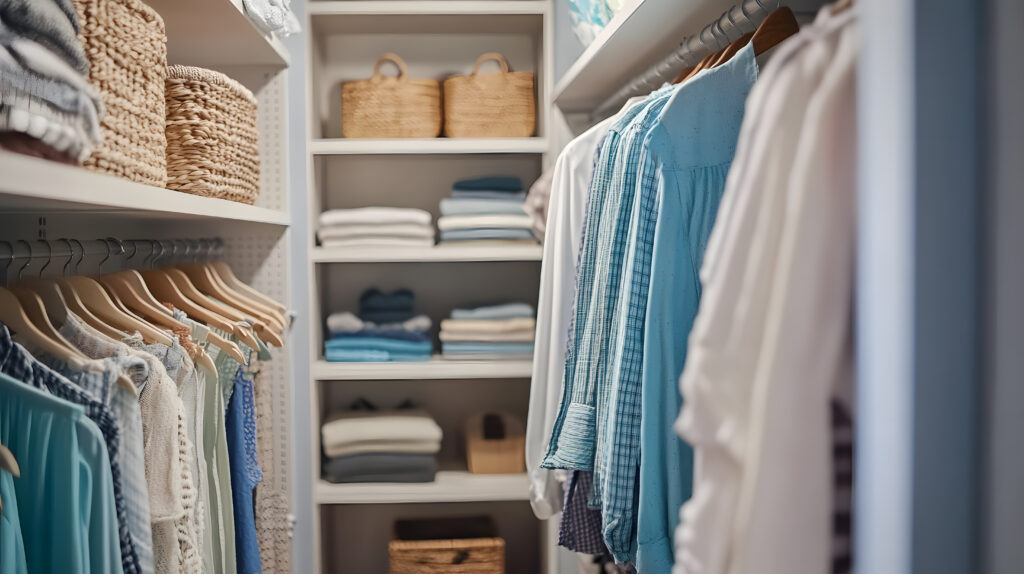
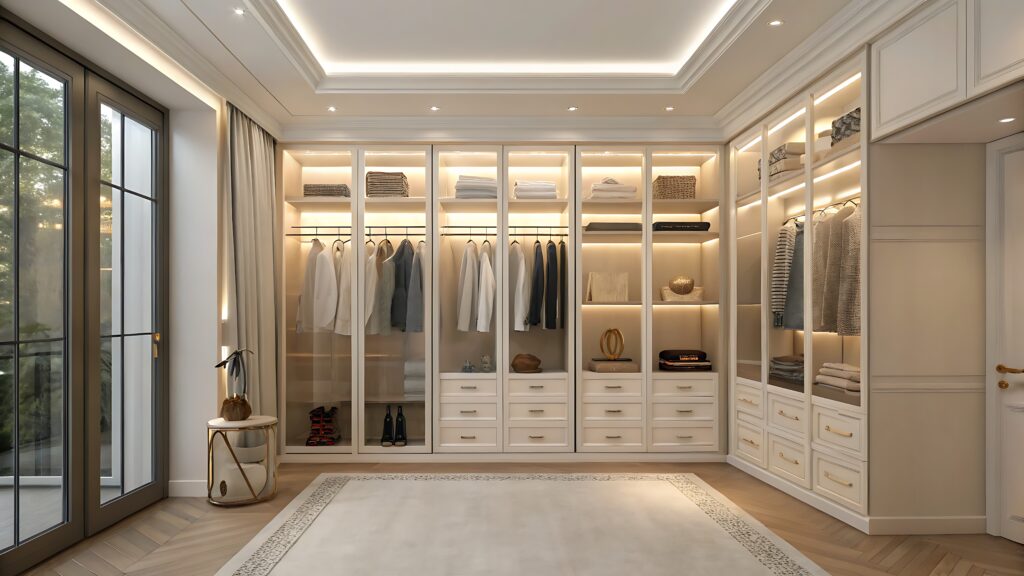
A primary suite earns its name when it does more than hold a bed and a dresser. The way you begin and end each day, the way your clothing and accessories stay ready, the way the space feels, all of it sets the tone for daily life. In Atlanta, where older bungalows sit near sleek Midtown towers and sprawling Buckhead homes, custom closets solve very different problems under one banner. You may be fighting humidity and sloped ceilings, or carving function from a modest condo footprint. The right design makes the routine elegant and easy, not just organized.
This guide draws from years of Closet design Atlanta GA projects, from reach-in retrofits to Luxury custom closets with paneled millwork. Whether you want a serene dressing room or a hard-working storage engine, the same principles apply: fit the system to your wardrobe and home, confirm details others overlook, and invest where you will feel the difference every single day.
Why Atlanta homes benefit from custom solutions
Local context drives better decisions. High summer humidity affects materials and finishes. Many intown homes have quirky closets, think 1930s brick cottages in Virginia-Highland or Grant Park with short runs and tight turns. Newer construction in Alpharetta and Sandy Springs brings tall ceilings, larger footprints, and the temptation to add an island without thinking through circulation. Condo towers in Midtown and Buckhead often have narrow walk-ins with concrete columns intruding. Each type rewards a custom approach.
A builder-grade wire system is adjustable, but it wastes vertical space and flexes under load. Off-the-shelf kits fit a handful of layouts. By contrast, Custom walk-in closets Atlanta teams can tailor every inch: double-hang where shirts rule, long-hang for dresses, deep drawers for sweaters, a valet rod at the door so tomorrow’s outfit is ready, and lighting that flatters rather than washes you out. With purpose-built Closet organizers Atlanta homeowners avoid the silent tax of daily friction.
Start with what you own, not what a catalog shows
Product photos can seduce, but your closet should reflect your actual items. Before you talk finishes and hardware, take inventory. Count shoes by type, tally folded knits, measure the longest dress you wear, note handbag sizes and how often you rotate them. I often ask clients to stack a week’s clothing on the bed, then walk me through what they reached for and why. People discover patterns. One client in Inman Park realized she wore blazers four days a week and only reached for two long dresses per season. That changed the layout from a presumed 50 percent long-hang to a compact 20 percent.
Depth and clearance matter. A standard hanging section needs 24 inches of depth to keep shoulders from pressing against doors. Double-hang segments typically set rods at about 40 inches off the floor and 80 inches from the floor for the upper rod, with 3 to 4 inches clear above the hangers. Long-hang for gowns and dusters can run 60 to 72 inches, but most Atlantans are happy at 60 to 64 inches. Drawers that store T-shirts work well at 5 to 7 inches high, while sweaters need 8 to 10 inches. Shoe shelves at 12 to 14 inches deep handle most footwear without heels sticking out. These numbers are not abstractions, they dictate comfort.
Materials and finishes that hold up in Georgia humidity
Humidity is the quiet threat. Unsealed or poorly finished materials can swell, drawer faces can warp, and cheap hardware pits. Reputable custom closets use moisture-resistant melamine or furniture-grade laminated panels with sealed edges. For Luxury custom closets, hardwood veneers on stable cores deliver richness without risk. If you crave painted MDF, insist on a high-solids, catalyzed finish and CARB Phase 2 or TSCA Title VI compliant substrates. Powder-coated steel for valet rods and pullouts outlasts plated finishes that can show wear in as little as two summers.
I advise clients to target indoor humidity under 50 percent. If your home’s HVAC struggles, add a discreet return in the closet or use a compact dehumidifier tucked behind louvered doors. Ventilated shoe walls help sneakers and leather loafers dry between wears. You can love suede in August, just give it a fighting chance.
The craft of layout: zones, flow, and sightlines
A well-planned walk-in is a sequence, not a storage pile. The first seconds after you step in should make sense. Place a landing spot near the entry: a valet rod for steaming, a slim shelf for a watch or phone, maybe a concealed hamper so laundry drops quickly. Position your most used hanging sections along the longest straight run. Put seasonal or seldom-worn items on upper shelves or the back wall.
If you dream of an island, protect walking space. Thirty-six inches, clear of handles, is the bare minimum around all sides. Forty-two inches feels generous enough for two people to pass. An island invites drawers, so place undergarments and daily accessories closest to the dressing area. Leave long-hang to the periphery where it will not block light. If the closet doubles as a dressing room, reserve one wall for a full-length mirror with 36 inches of standback distance.
Odd shapes happen. Sloped ceilings in Decatur bungalows can devour vertical space. Tuck shelves and shoe storage under slopes, then use the tall wall for hanging. In condos with a concrete chase eating a corner, notch the design to create a shallow handbag display. Short runs become strengths when you give them a job.
Lighting that flatters and functions
Lighting sits in the top three drivers of satisfaction. Look for LED fixtures with a color temperature around 3000K to 3500K and a color rendering index above 90. That combination keeps whites crisp, blacks true, and skin tones natural. Continuous LED strips under shelves light shoes without glare. A handful of clients ask for 4000K, which skews cooler and modern, but test it with your clothing under real conditions. Motion sensors can bring lights up when you enter, and integrate with the home’s control system if you like. Just https://penzu.com/p/a38f1b7ede55dde7 avoid placing downlights directly over mirrors, which cast unhelpful shadows.
For a luxury feel, backlight a glass display for handbags or watches. It is a small square footage to upgrade, and it punches above its cost.
Hardware, organizers, and the small pieces that make a big difference
You feel hardware with your hands dozens of times a day. Full-extension, soft-close slides for drawers are nonnegotiable. They let you see the back of the drawer and keep peace in the morning. Hinges with integrated damping help doors close quietly. Knobs and pulls should fit your hand and be mounted consistently, 2.5 to 3 inches from the edge, so your muscle memory works for you.
Closet organizers Atlanta designers can suggest what pays off. Valet rods, at least one per adult, earn their keep. A belt or tie pullout keeps slender items from nesting into chaos. Divided drawers tame socks and athletic wear. A locked drawer for passports or small valuables avoids a separate safe if you do not want one. For jewelry, felt-lined trays protect finishes and stop sliding. Hampers deserve lids and removable bags, ideally two so you can sort lights and darks without thinking.
If you store suitcases in the closet, put them high on a shelf with a 24 to 26 inch clearance and use them as off-season storage. That habit wins back space. For boots, consider tall compartments at 20 to 22 inches with clips or supports so shafts do not collapse.
A tale of two projects: Buckhead height, Midtown precision
Atlanta homes span scales. A recent Buckhead project had 12 foot ceilings and 180 square feet to play with. The client wanted an island, a sitting bench, and a display for a handbag collection that rotated seasonally. The solution split the space into working walls and a gallery. Double-hang lined the long wall, shoe walls flanked the window, and a glass hutch anchored the back with integrated lighting. The island stayed narrow at 30 inches wide to preserve 42 inches around it. A rolling library ladder was tempting, but a pull-down upper rod on two sections made more sense and kept the space calm.
Contrast that with a Midtown condo, 8 foot 6 inch ceilings and a closet barely 6 by 8. Depth was tight. We replaced a single builder shelf with double-hang on one side, long-hang for outerwear near the door, and narrow pullout trays for shoes at 12 inches deep to fit. Lighting came from LED strips under every shelf to avoid punching the concrete ceiling. The owner reported saving eight minutes every morning, a statistic that sounds exaggerated until you live with a place-for-everything system.
Both clients ended up with Custom walk-in closets Atlanta homeowners often picture in magazines, yet each leaned hard into constraints. That is the power of custom.
Budgeting with eyes open
Costs vary by material, complexity, and accessories, but ranges help with planning. Melamine systems with clean lines and soft-close hardware often land between 150 and 350 dollars per linear foot of installed system in the Atlanta market. Add glass doors, decorative panels, islands with many drawers, or specialty hardware and you can see 400 to 600 dollars per linear foot. Luxury custom closets with real wood veneer, integrated lighting, and furniture-grade details typically run from 800 dollars per linear foot to well past 1,200, depending on cabinetry depth and finish carpentry.
For a reference point, a 10 by 12 foot walk-in with a mix of double-hang, long-hang, 12 to 16 drawers, and a modest island might span 9,000 to 25,000 dollars. Trim details, electrical work, and lighting can add a few thousand. If you are renovating the primary suite and moving walls, hold a separate budget for framing and drywall. A thoughtful designer will explain what elevates cost and where you can pull back without regret.
Timelines, permits, and the reality of installation
Most custom closets follow a predictable rhythm. A design consultation takes 60 to 90 minutes onsite. You will receive initial drawings and renderings within a week, then a round or two of adjustments. Production typically runs 2 to 5 weeks, depending on shop load and finish complexity. Installation spans one to three days. If electricians add new circuits for lighting, that can extend by a day and may require scheduling coordination with your general contractor.
Permits are rarely needed for closet systems unless you add new electrical or relocate HVAC components. Condo buildings may require a certificate of insurance and limit work hours. Plan for a clear staging area, ideally the bedroom, and cover nearby furnishings. Good installers leave the space vacuumed and ready, but dust travels when old wire shelving comes down.
The case for reach-in closet organizers elsewhere in the home
While this article focuses on the primary suite, most homes need better Reach-in closet organizers in secondary bedrooms, hall closets, and pantries. The same logic applies at a different scale. Adjustable shelves at sensible heights, a few drawers for linens or gym wear, and at least one long-hang segment for coats or dresses. In a hallway reach-in, 16 inch deep shelves prevent overstacking. In kids’ rooms, plan for growth by placing the initial hanging rod at 42 inches and pre-drilling for a higher position later. The habit of designing for real life should not stop at the walk-in.
Design decisions that earn their keep
Clients often ask where to splurge and where to save. Spend money on drawer hardware, lighting, and the right number of drawers. You touch these daily. Save on decorative back panels if the structure is already finished. A mix of open shelves and a few glass doors looks high-end without enclosing everything. Islands are optional for many. If you cannot maintain 36 to 42 inches of circulation, skip the island and install a seat or a pull-out ironing board instead.
Atlanta’s climate suggests one more upgrade that works: cedar panels or blocks in a few shelves. They help deter moths and add a subtle scent. You do not need a full cedar closet, a few targeted inserts provide benefits.
A quick planning checklist for your primary suite closet
- Measure the room precisely, including ceiling height, soffits, and door swing.
- Inventory clothing by category and count, then assign storage types.
- Decide on must-have features, from a hamper to a jewelry drawer to a full-length mirror.
- Test finish samples and lighting temperatures in the actual room.
- Confirm HVAC and humidity control, aiming for under 50 percent relative humidity.
Specialty features worth considering
Not every upgrade fits every home, but some transform daily use.
- A sit-down vanity with dedicated lighting if you often do hair or makeup in the closet.
- A concealed safe or locking cabinet anchored to framing for peace of mind.
- Pull-down upper rods in tall spaces where a ladder is not practical.
- A charging drawer with cord management for watches, earbuds, or a clipper set.
- Mirror door panels on shallow cabinets to combine storage and reflection without consuming wall space.
Sustainability and indoor air quality
Materials matter to your health and the environment. Ask for CARB II or TSCA Title VI compliant boards to limit formaldehyde off-gassing. Low VOC finishes protect indoor air, especially important in closed spaces like closets. FSC-certified veneer and responsibly sourced hardwoods are available from many Custom closets Atlanta providers. Powder-coated steel accessories last longer than plated ones, cutting waste over time. If you are replacing existing wire shelves, consider donating them if a local reuse center will accept them, or repurpose in a garage.
Accessibility and aging in place
Design for the person you are and the one you will be. Taller clients like higher rods, but keep the top shelf reachable without a step stool if possible. If reach is limited, concentrate daily wear at 30 to 60 inches above the floor. Choose U-shaped pulls over small knobs. Install a bench or seat at 18 inches high to make shoe changes easy. Good lighting and non-slip flooring do as much for accessibility as any organizer. If you plan to age in place, leave blocking in the walls for future grab bars near the bench.
Pair the closet with the suite, visually and functionally
The best primary suites feel cohesive. If the bedroom leans transitional with brushed brass accents, echo that in closet hardware. If the bath features rift-cut white oak, bring the same veneer into the closet, or at least a complementary tone. Some clients prefer the closet to fade to white so clothing stands out. Others want a bold statement with deep navy panels and leather pulls. Both approaches can be right. Pay attention to flooring as it crosses thresholds, and consider acoustic softening with a rug or drapery near windows if the closet is large enough to echo.
Functionally, think about the path between the closet, bath, and laundry. A pass-through hamper or a discreet chute to the laundry room downstairs sounds like a luxury, but if you do two loads a week, it saves steps. Outlets placed within the closet can power a steamer, dehumidifier, or grooming tools, and keep cords out of sight. Small conveniences stack into a big daily difference.
Vetting a designer or builder
Experience shows in the questions a professional asks. Expect inquiries about your routine, not just style. A strong provider of custom closets will measure, draw, and walk you through 3D renderings. They will discuss load ratings, hardware brands, and finish durability, not just aesthetics. Look for installers who set scribe panels to close gaps at walls and floors, especially important in older Atlanta homes where nothing is perfectly square. For projects that merit it, ask about shop-built cabinetry versus site-built systems. Both can be excellent, but shop-built often brings tighter tolerances and cleaner finishes.
If you seek local references, ask for projects in neighborhoods that mirror your home’s vintage. A craftsman bungalow in Kirkwood behaves differently than a new construction in Johns Creek. Closet design Atlanta GA veterans will know the quirks.
When a reach-in becomes a walk-in, and when it should not
Some homeowners contemplate stealing space from an adjacent room to create a walk-in. It can be worth it, but weigh the trade. If you cannibalize three feet from a secondary bedroom and ruin furniture placement, you shift pain rather than solve it. Strive for a minimum interior clear of 4 feet in any direction so you can stand and turn comfortably. If the space cannot meet that, ask a designer to maximize a reach-in with floor-to-ceiling organizers instead. A great reach-in with double-hang, drawers, and proper lighting can outperform a cramped walk-in every day.
Maintenance and long-term care
Quality closets ask little. Wipe melamine or lacquered surfaces with a damp, non-abrasive cloth. Avoid harsh solvents. Every spring, check hardware for loosened screws and snug them. Vacuum drawer boxes and under-shelf LEDs, which attract lint. If humidity spikes in summer, run the HVAC fan or the dehumidifier. Leather goods appreciate dust bags and a rotation out of direct sunlight. Small rituals keep the space feeling new year after year.
Bringing it all together
Custom closets are not about perfection on paper, they are about fluency in how you use the space. The goal for Custom walk-in closets Atlanta homeowners is not to win a photo contest, it is to stand in the right light, put hands on what you need without searching, and move to the next thing without thought. When a design fits the home, respects the climate, and leans into your habits, the daily return on investment is obvious.
If you are ready to explore options, begin with that inventory and a tape measure. Talk with a few providers of custom closets Atlanta is home to many skilled shops. Ask to see and touch hardware samples, open drawers, and test lighting in person. Good design hides its effort. Only you will know how much work went into making it feel easy.
The Closet Shop Atlanta
Address: 1710 Cumberland Point Dr, Suite 22, Marietta, GA 30067
Phone number: +14709705115
FAQ About Custom Closets Atlanta
What is the average cost of a custom closet?
A professionally designed and installed custom closet typically costs between $2,500 and $7,500, depending on the size of the space and materials chosen. Smaller reach-in closets average about $1,000 to $3,500, while spacious, luxury walk-in setups easily run $10,000 to $20,000+.
Who does Costco use for custom closets?
Costco partners with Closet Factory for full-service, professionally installed custom closets, and Serenity Closets (by The Stow Company) for online-ordered, do-it-yourself (DIY) organization systems.
Is it cheaper to buy or build a closet?
Buying a prefabricated kit is cheaper and faster upfront, usually costing $200 to $1,000. However, building a custom closet from scratch using high-quality materials provides better long-term value, though it requires tools, time, and carpentry skills, generally costing $300 to $3,000+.